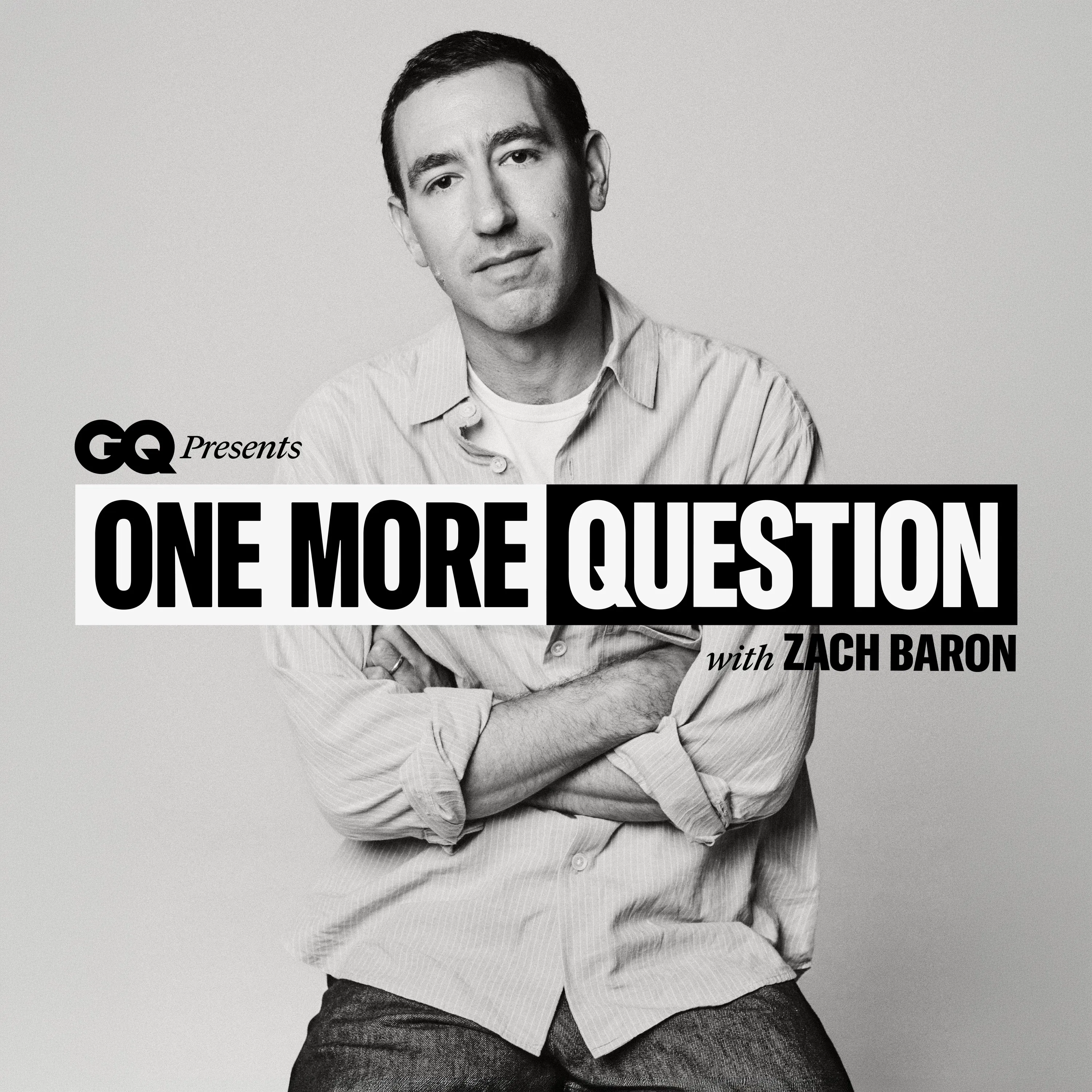
One More Question with Zach Baron | GQ
Prince Harry
This debrief was written and voiced by AI from the episode's audio.
🎧 AI Debrief
🎙️ Full Episode
Key Moments
Harry gives his preferred introduction: veteran, humanitarian, bestselling author, member of the royal family, father, husband, author of a new masterclass on grief—a fuller picture than standard intros typically provide.
Harry reveals that he gave the same response to 'how are you?' for approximately twenty years, a coping mechanism for suppressing trauma and grief that left him emotionally numb despite significant loss.
Harry articulates his core insight about grief: that you don't ever 'get over' it, but instead learn to live with it. He discusses how he was initially stuck believing that letting go of grief meant betraying his mother's memory.
Harry explains that his grief manifested as distraction, busyness, and going out partying—ways to suppress sadness that he wasn't aware of at the time, challenged by the immediate and then fading support after loss.
Harry describes the transformative moment when therapy allowed him to acknowledge that losing his mom 'really sucks' and that crying about it is permitted—something he hadn't allowed himself to do for decades.
Harry recalls the searing memory of touching wet hands of strangers crying for his mother during the funeral procession—a moment of intense public grief that he's carried with him and continues to process.
Harry explains his philosophical shift from traditional charity work to upstream interventions like coaching platforms—aiming to prevent crises rather than patch them after the fact.
Harry's core philosophy on masculinity and parenting: vulnerability isn't weakness but strength, and parents must model it for their children to teach them that being human is acceptable.
Harry addresses pushback about his openness by arguing that if he stays silent, others will create false narratives about him. By telling his own story, he maintains control and prevents exploitation of his experience.
Harry reflects on purpose as central to his well-being—without it, he says he'd be very lost, like most people. His work with the Invictus community and commitment to helping others find purpose drives and heals him simultaneously.
Search Episode
Summary
In this candid episode of One More Question, Zach Baron interviews Prince Harry about grief, family, and public life. Harry reflects on processing the loss of his mother, Princess Diana, at age twelve, and discusses his recent move back to the UK with his family. He emphasizes that grief is not something you "get over" but learn to live with, and shares how therapy transformed his ability to process trauma after twenty years of suppression. The conversation explores how childhood trauma can resurface later in life, the importance of vulnerability in parenting, and Harry's shift toward upstream interventions like coaching platforms rather than downstream charity work. Throughout, Harry challenges the cultural narrative that discouraged him from acknowledging his grief, and argues that by sharing his story through his new MasterClass with Dr. Mary Frances O'Connor, he reclaims control of his narrative from media speculation.
Key Takeaways
Grief is not a linear process with a beginning, middle, and end—it's something you learn to live with that resurfaces throughout your life in different ways
highSuppressing emotions for extended periods (Harry did this for twenty years) creates numbness that disconnects you from relationships and prevents authentic emotional connection with family
highVulnerability is strength, not weakness, especially for parents modeling emotional health to their children
highChildhood trauma can manifest years later as post-traumatic stress, even when triggered by seemingly unrelated events in adulthood
highTaking control of your own narrative prevents others from creating false versions of your story
mediumMilitary service can be both healing and masking—it provided structure and distraction but also delayed processing of underlying trauma
mediumFinding purpose and doing meaningful work is as energizing as it is healing
mediumNotable Quotes
“Being vulnerable is not weakness. It is strength, especially the fact that in my life, I will defend my family with full strength, but at the same time, I can be the vulnerable individual, whether it's as a husband or whether as a father.”
— Prince Harry
Core philosophy on redefining masculinity and emotional availability for his children
“I don't think I ever wallowed in it. I don't think I was ever allowed to.”
— Prince Harry
Explaining how cultural pressure prevented him from fully processing his mother's death
“If you're someone like me, if you're sitting back, staying quiet, keeping low, the stories are continuous. So you ought to just sit there and accept that all this crap is gonna be created, and people are gonna write books about you... So why not share some of your story?”
— Prince Harry
Justifying his public openness about personal matters
“Grief can either hold you back or it can help you grow.”
— Prince Harry
Central message about transforming trauma into resilience
Predictions
Family relationships will be repaired over time as respect is established and both sides move past previous conflicts
— Prince Harry · Confidence: medium · Ongoing, hopeful but not timeline-specific
Sharing stories about grief and vulnerability will continue to help people process their own loss
— Prince Harry · Confidence: high · Immediate and ongoing
His children will have different emotional development than he did because of his intentional parenting around vulnerability
— Prince Harry · Confidence: high · Over their lifetime
Action Items
Consider therapy or coaching if you've been suppressing grief or emotional pain for extended periods
Harry's experience shows that even decades-long suppression can be addressed, and therapy gave him permission to grieve and emotional tools
Model vulnerability for your children by allowing them to see you process difficult emotions rather than always appearing invincible
Harry emphasizes that children need to know parents are human and fallible, and this teaches emotional resilience
Examine what grief or loss you might be carrying from childhood and how it manifests in your current life
Harry discovered his military service was partly a distraction from unprocessed trauma; understanding these patterns helps
Tell your own story rather than letting others create false narratives about you
Harry argues that taking control of your narrative prevents others from profiting or distorting your experience